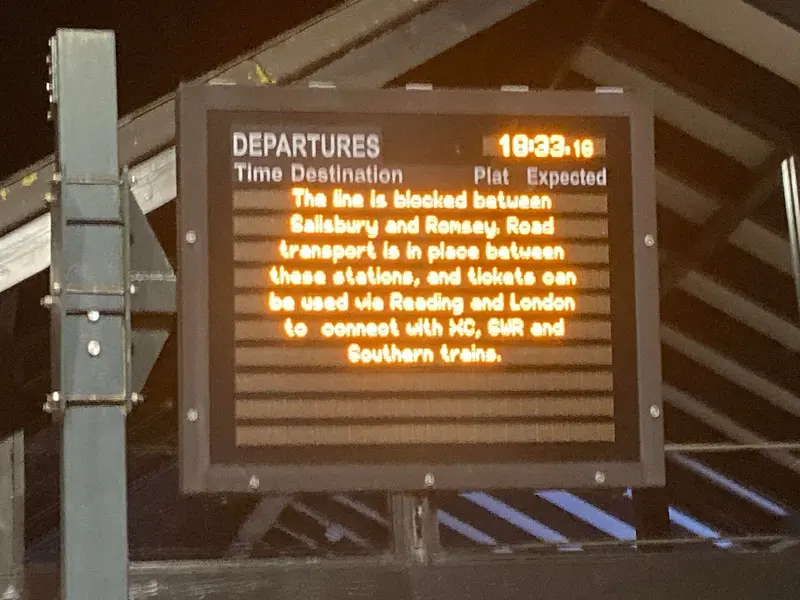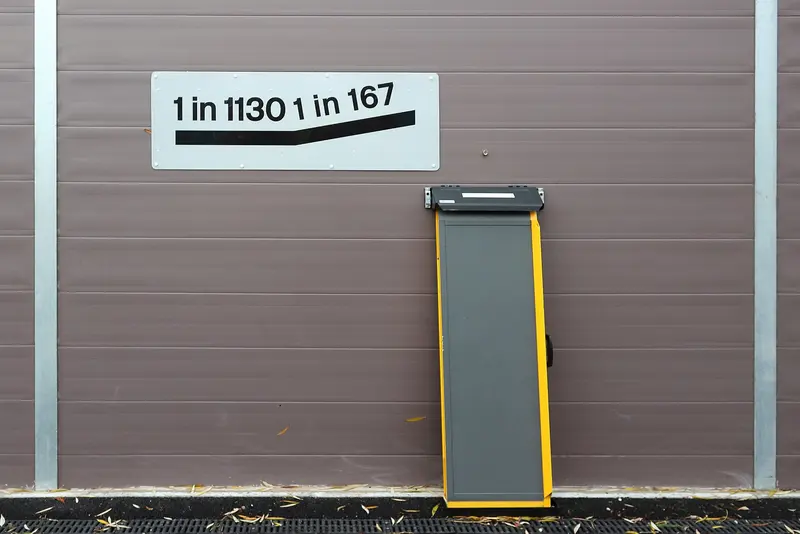
A lot of ETA journeys end with someone waiting at the other end. If the person travelling needs help on the way, getting that help booked is just as important as letting people know when they’ll arrive. On the railway, the service for that is called Passenger Assist.
This article summarises what National Rail Enquiries’ Passenger Assist page says. Train companies set some details themselves, such as luggage rules, so check the company’s own website as well.
What help is available
According to National Rail Enquiries, staff can help with:
- getting around the station, and getting on and off the train;
- meeting you off your train and taking you to your next train or to the exit;
- arranging a ramp to get on or off;
- help if you have a non-visible impairment;
- carrying up to three items of luggage, as long as one person can manage them.
There is also an Assistance Dog Under Seat card, which you can ask for by email.
How to book
National Rail Enquiries lists several ways to book:
- The Passenger Assistance app or website, run by Transreport. You get a confirmation email once your request has been checked and confirmed.
- By phone on 0800 022 3720: choose option 1, give your planned journey, and you’ll be put through to the right train company.
- By text to 60083, Monday to Friday, 9am to 5pm, with your enquiry. You’ll get a message back with the number to contact.
Textphone and relay numbers are given by each train company.
How much notice
The page’s advice is to book as far ahead as possible. Requests are accepted up to 2 hours before your journey is due to start, at any time of day.
Turning up without a booking
You can still travel without booking. If you need help at short notice, speak to a member of staff or use a Help Point at the station. Staffed stations will help if they can, though it may take longer if staff are busy, and if they can’t help straight away they’ll explain why.
Tickets
You need a valid ticket. National Rail Enquiries says that if an impairment stops you buying one before you travel, you won’t pay more than you would have before boarding, including any discount you’re entitled to. It recommends buying your ticket before you request assistance.
Where ETA fits in
Passenger Assist is about help on the railway. ETA does something much smaller: it lets the person meeting you know you’re nearly there.
- For whoever is meeting you. With “tell my people”, ETA emails your chosen contacts when you’re within the distance or minutes you picked, so they can be at the barrier or the car park in time. The how it works page explains the steps.
- For you, on board. The wake-me alarm gives you a warning before your stop, which can help if you need extra time to get ready to leave the train. Our tips for commuters explain how to choose a distance that gives you enough time.
- It depends on your phone. ETA only works while its screen stays open, and alerts depend on signal, battery and the phone’s location; our page on why the screen has to stay open explains the limits. Don’t rely on it as the only way staff or your family know where you are, and it’s no substitute for booked assistance.
 · 3 min readCycling home in the dark: lights, reflectors and the Highway CodeFrom late autumn, many cycle commutes end after sunset. What the Highway Code says you must have on your bike at night, what it recommends you wear…
 · 4 min readLeft something on the train? How rail lost property worksWho to contact if you leave a bag, phone or coat on a train or at a station, what details to give, and what the National Rail Conditions of Travel…
If you or someone you’re meeting needs help with a train journey, book it early, and keep the confirmation to hand on the day.