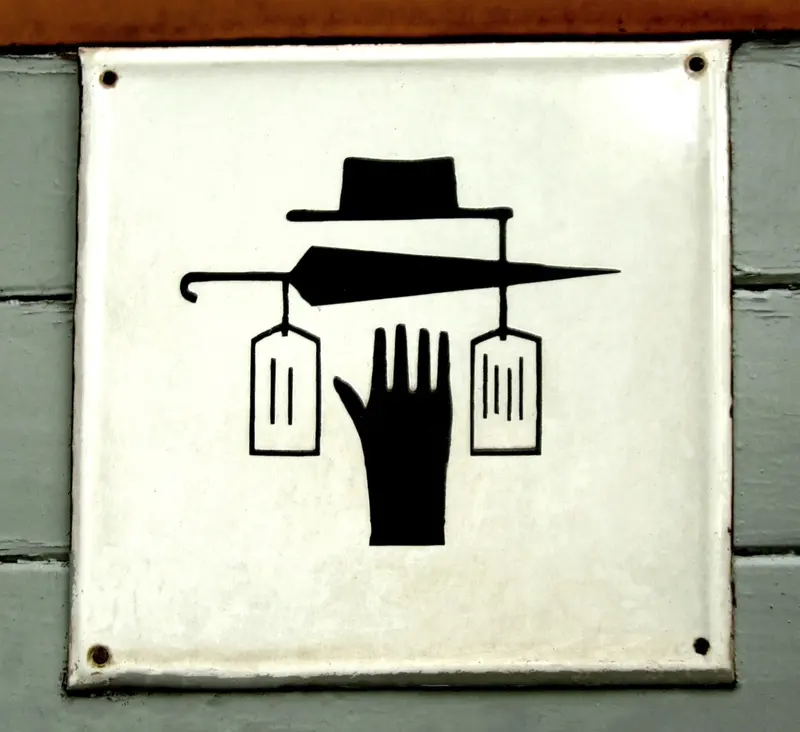
It happens to almost everyone eventually: the train pulls away and you realise your coat, bag or umbrella is still on the luggage rack. In winter, with more layers, more shopping and more dozing on the way home, it happens more often. This article explains who to contact, what to tell them, and what the rail industry’s own rules say about lost property.
It covers National Rail trains and stations in Great Britain. Buses, trams and the London Underground have their own lost property arrangements, so check the operator’s website for those.
First: who to contact
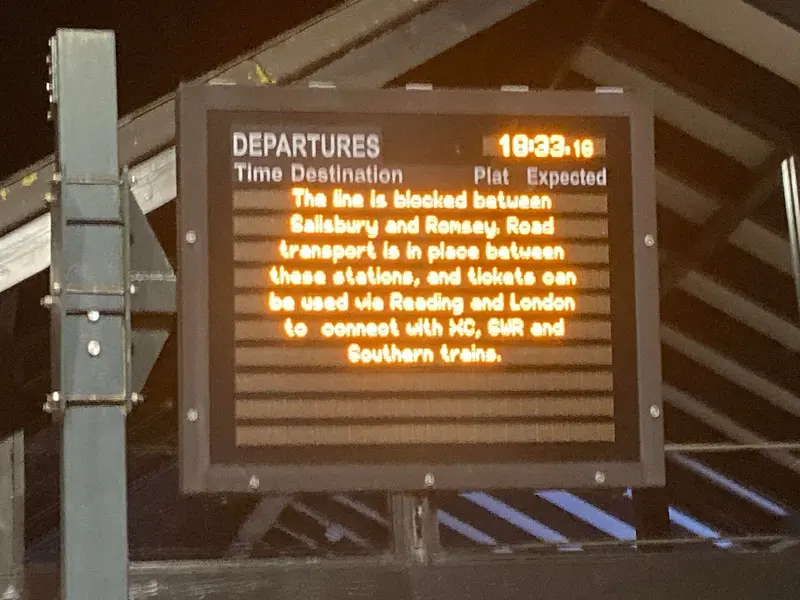
There isn’t one national lost property office for trains. Each train company, and each company that runs stations, looks after property found on its own trains and premises. So the first job is to work out which company ran the train you were on, or which one manages the station where you left something. Your ticket, booking confirmation or the departure board usually tells you.
National Rail Enquiries has a page for each train company with its contact details, including lost property where the company provides it. The page for Northern, for example, gives a lost property phone number and a link to the company’s lost property page.
If you’ve only just got off and the item is on the train you can still see, tell a member of station staff straight away. They may be able to contact the train crew or staff further down the line.
What to tell them
Northern’s lost property details on National Rail Enquiries ask for the kind of information most companies will need:
- a description of the item;
- the train you were on: its departure time, and the stations you travelled from and to;
- where you were sitting, such as which carriage, if you know.
A clear description helps: colour, make, anything distinctive inside or attached. For a phone, the colour, case and lock-screen picture help staff match it without needing to unlock it.
What the Conditions of Travel say
The National Rail Conditions of Travel are the rules that apply between you and the train companies. Part H covers lost property:
- Finders don’t keep. Condition 42 says found property isn’t treated as belonging to the person who finds it, and anyone who finds something should hand it to staff as soon as reasonably possible. The train company takes reasonable care of items left on its trains or premises and makes a reasonable effort to contact the owner.
- Items may be opened. Under Condition 43, staff can open and examine property before moving it somewhere secure, and can remove or dispose of anything they think could cause damage, injury or inconvenience.
- There may be charges. Condition 44 allows a train company to charge up to £30 per item for you to get your property back, and up to £2 per item per day for storage. Many items are returned without these charges, but it’s worth asking.
- Three months. Condition 45 says property not collected within three months may be sold or otherwise disposed of, and perishable items can be disposed of sooner.
So the sooner you report it, the better.
If it was your phone
A lost phone is the hardest thing to lose on a journey, because it’s also how you’d normally sort the problem out. Phone the train company from another phone if you can, and use your phone maker’s find-my-device service to see whether it’s been switched off or is still on the move.
If you were using ETA at the time, your destination and saved places are stored in that phone’s browser, not on our server, so they go wherever the phone goes. Any “tell my people” journey ends by itself after 24 hours at most. Our privacy notice explains what is and isn’t kept on our side.
Making it less likely
- Keep valuables with you, not on the rack behind you. Our safety page also suggests keeping your phone and belongings secure if you might fall asleep.
- Do a seat check before you stand up: rack, floor, the gap by the window.
- Give yourself time to get off. Rushing for the door is when things get left. ETA’s wake-me alarm is there to give you that time: our tips for commuters suggest choosing an alert distance that covers the few minutes you need to wake up, collect your bags and get to the door.
- Label it. A name and contact email on a bag tag or inside a coat makes the reasonable effort to contact you much easier.
 · 3 min readCycling home in the dark: lights, reflectors and the Highway CodeFrom late autumn, many cycle commutes end after sunset. What the Highway Code says you must have on your bike at night, what it recommends you wear…
 · 3 min readPassenger Assist: booking help with a train journeyIf you need help getting on or off a train, finding your way through a station or with luggage, Passenger Assist can arrange it. How to book, how…
Most lost property is handed in. Report it quickly, describe it well, and you stand a good chance of seeing it again.